
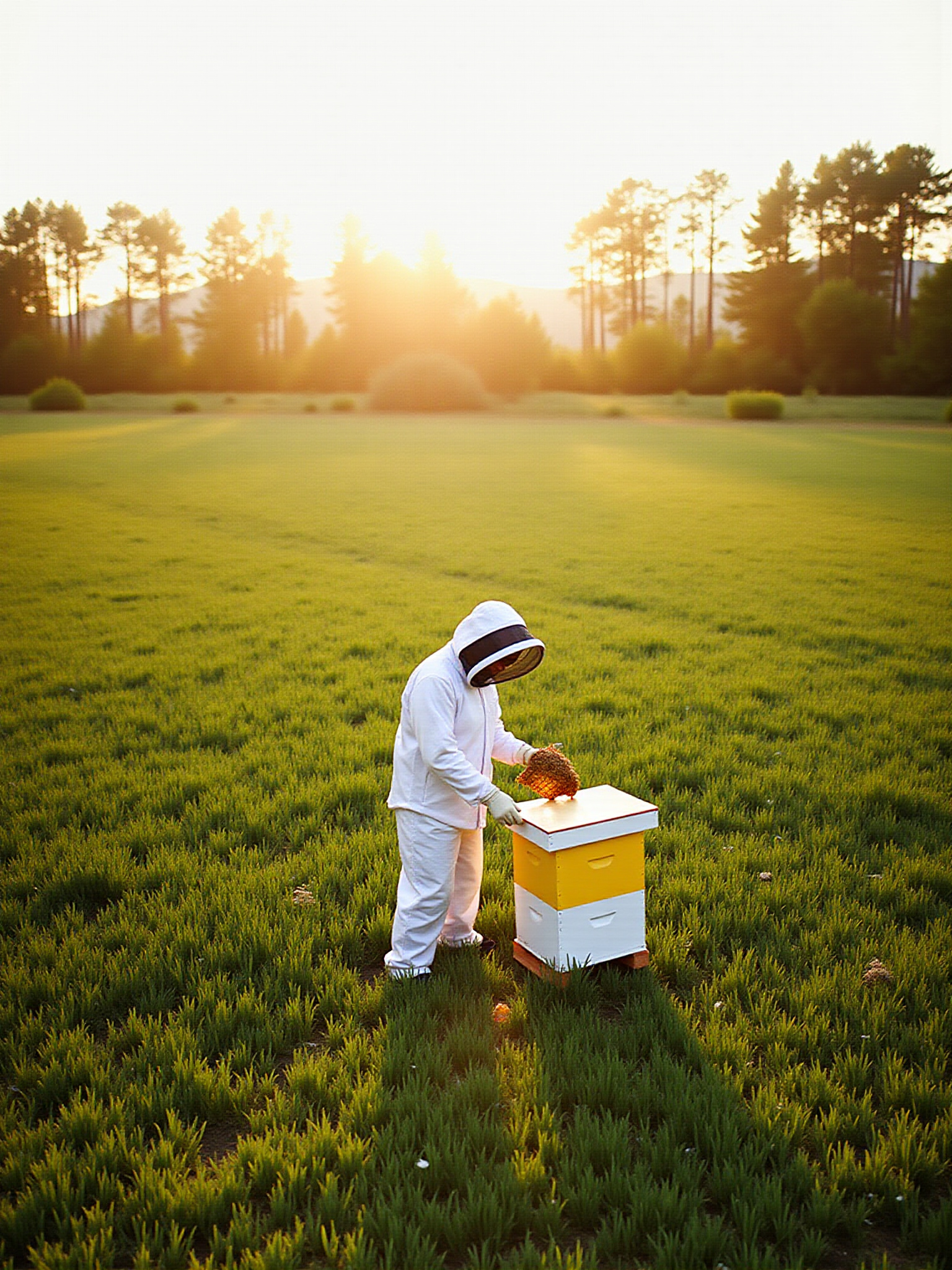


Our Story
Who We Are
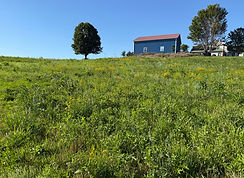
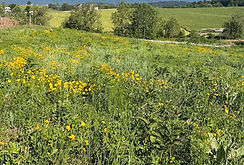
We began in 2024, investigating the process of converting about 5 acres of mostly Johnson grass fields to 5 acres of native Virginia wildflowers, trees, and grasses. While walking along our property visualizing what the fields might look like in a few years, we could almost hear the bees moving from flower to flower.
Our Mission
Maintain a thriving apiary, albeit small, to sustain the bee population.
Our Livestock
The Bees Arrive - April 2025
First, we began watching online beginner beekeeping courses. Next, we reached out to local beekeepers about acquiring a nucleus of bees. Finally, we met the owner of a local bee supply store, who has been a beekeeper for 50 years, and asked a lot of questions.
The Process Begins
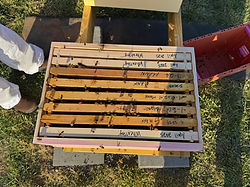
Feeding (yes), hive checks for parasites and diseases - hopefully few, if we do our job correctly, treatments, more online and in person classes.
Our grandchildren have even enjoyed inspecting the hives!




The Harvest
Honey, and more!
Resisted harvesting any honey in the first year, but one of the hives was so prolific we could not resist and harvested two frames of honey.
Eventually we hope to harvest 80-100 pounds annually to bottle and sell locally.
Will collect the wax and try to sell it in bulk to local bee keepers and artisans.


Pollination benefits
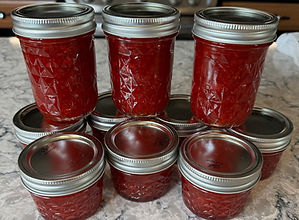
Our family garden of strawberries, raspberries, blueberries, red currants, tomatoes...produce just enough for us to make a variety of jams, relishes, sauces, salsas for the family to enjoy.
Year 2
Winter 2025-2026
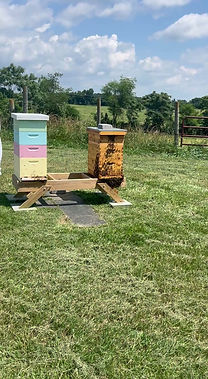
Began the winter with two hives. Varroa mite count was zero (or very close to zero). Working with a local apiary business owner (mentor), we built candy boards for both hives, and placed several hay bales around the hives for wind protection.





Spring - Summer 2026
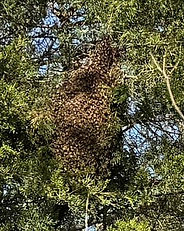
Plan was to split from 2 to 3 hives, and requeen. We also decided to try the Anel hive setup.
Requeened the hives, but after 2+ weeks could not see any new brood, or find the queens.
Requeened again.
Two weeks later, we did see new brood, and identified and marked all 3 queens! Whew!
The hives were spicier than we hoped - likely an issue with being queenless, etc. Fingers crossed once new queen's demeanor make it through the new brood cycle, things will improve.
Formic Pro treatment in June to early July.
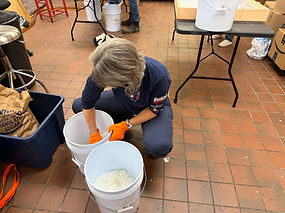
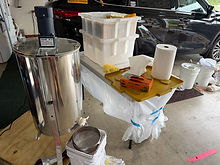
Then, finally harvest season!
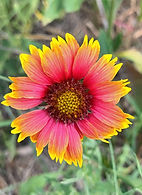
Oh - the reason we started with the bees - the wildflower meadows are taking shape! We have been told they will look even better next year. Biggest challenge? The Johnson Grass. Raking and broadcast seeding this summer/fall. Raptor perches this fall. Hopefully planting 150-200 trees near the creek. More drone and hand spraying for the Johnson Grass next spring.